6 Anti-Inflammatory Teas to Support Calm, Comfort, and Everyday Wellness
Introduction: Inflammation- The Root of Modern-Day Disease. Anti-inflammatory teas.
If you’re looking for simple ways to support your wellness routine, anti-inflammatory teas can be a gentle place to start. Many herbal teas are traditionally used to support relaxation, digestion, and overall balance, and some may also offer soothing plant compounds that fit well into a calm, nourishing lifestyle.
In this guide, I’m sharing 6 herbal teas I find especially interesting for everyday wellness, along with simple notes on what they’re traditionally used for and important safety reminders to keep in mind.
What Are Anti-Inflammatory Teas?
1. Chasteberry (Vitex agnus-castus)
Primary Therapeutic Effects:
- Hormonal Balance: By finely regulating pituitary function, it stimulates progesterone, production, thereby promoting estrogen-progesterone harmony.
- Prolactin Reduction: Lower prolactin levels favorably influence ovulation and the luteal phase.
- PCOS Symptom Relief: Proven effective in reducing irregular cycles, lack of ovulation, and PMS symptoms.
- Who Do I Recommend It For?
- Women with PCOS to restore hormonal balance.
- Those struggling with irregular menstrual cycles.
- In cases of severe PMS or luteal phase defect.
- Couples on a fertility journey who wish to support a natural hormonal environment.
- Important Information: It has a slow-acting effect – at least 3-6 months of consistent use is required to see significant results. Concurrent use with hormonal medication requires medical supervision.
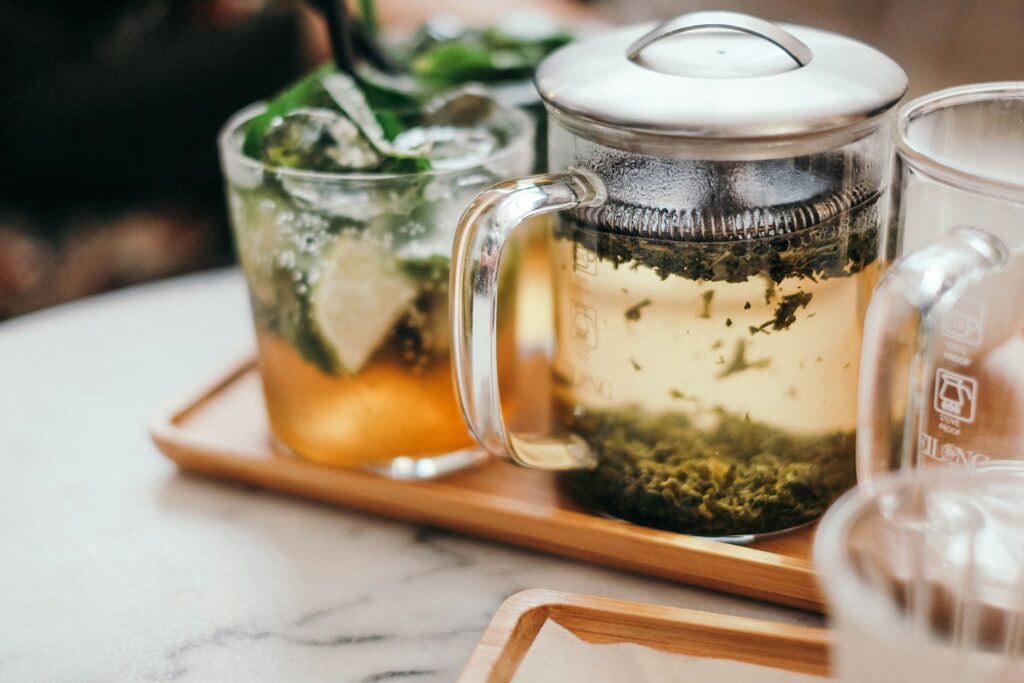
2. Red Raspberry Leaf Tea (Rubus idaeus)
Primary Therapeutic Effects:
- Uterine Tonic: Particularly known for its strengthening and relaxing effect on uterine muscle tissue.
- Menstrual Comfort: Alleviates menstrual cramps and painful bleeding.
- Source of Nutrients: Rich in iron, calcium, magnesium, and vitamin C – essential nutrients for female health.
- Pregnancy Preparation: Traditionally used in the third trimester of pregnancy and for birth preparation to promote uterine “ripening.”
- Who Do I Recommend It For?
- Women suffering from severe menstrual cramps or heavy bleeding.
- For those seeking general support for uterine health.
- Women preparing for pregnancy (in the second and third trimester, with medical consultation).
- Expectant mothers as preparation for birth (only in the appropriate trimester and with expert advice).
- Combination Tip: Combines excellently with nettle to enhance iron absorption, or with raspberry leaf for comprehensive support of the female hormonal system.
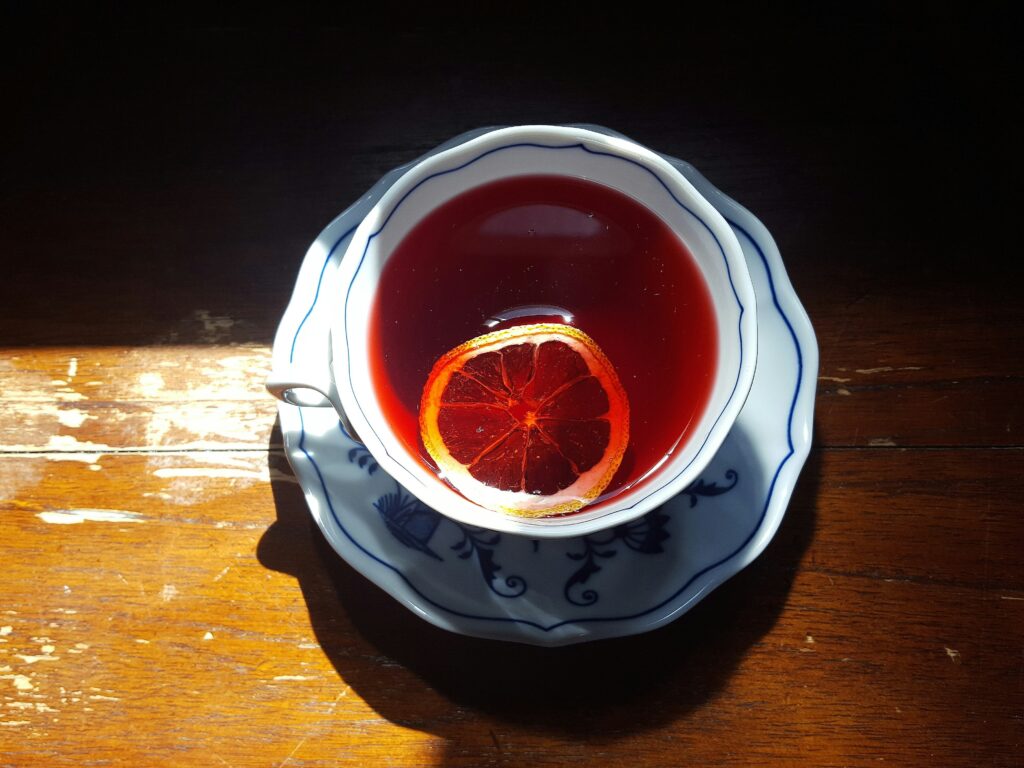
3. Peppermint Tea (Mentha piperita)
Primary Therapeutic Effects:
- Androgen Reduction: Clinical studies have confirmed a significant decrease in free testosterone levels in women with PCOS following regular consumption.
- Hirsutism Relief: Due to reduced testosterone levels, it may contribute to the moderation of excess body hair growth.
- Digestive Support: Relieves bloating, stomach pain, and digestive difficulties, which are common with PCOS.
- Who Do I Recommend It For?
- Women with PCOS managing symptoms of high androgen levels (acne, hirsutism, hair loss).
- Those with digestive complaints (bloating, stomach cramps, slow metabolism).
- During tense, stressful periods for its calming and refreshing effect.
- Scientific Background: A 2013 randomized, double-blind study published in the journal Phytotherapy Research showed that two cups of peppermint tea daily for one month significantly reduced testosterone levels in PCOS patients.
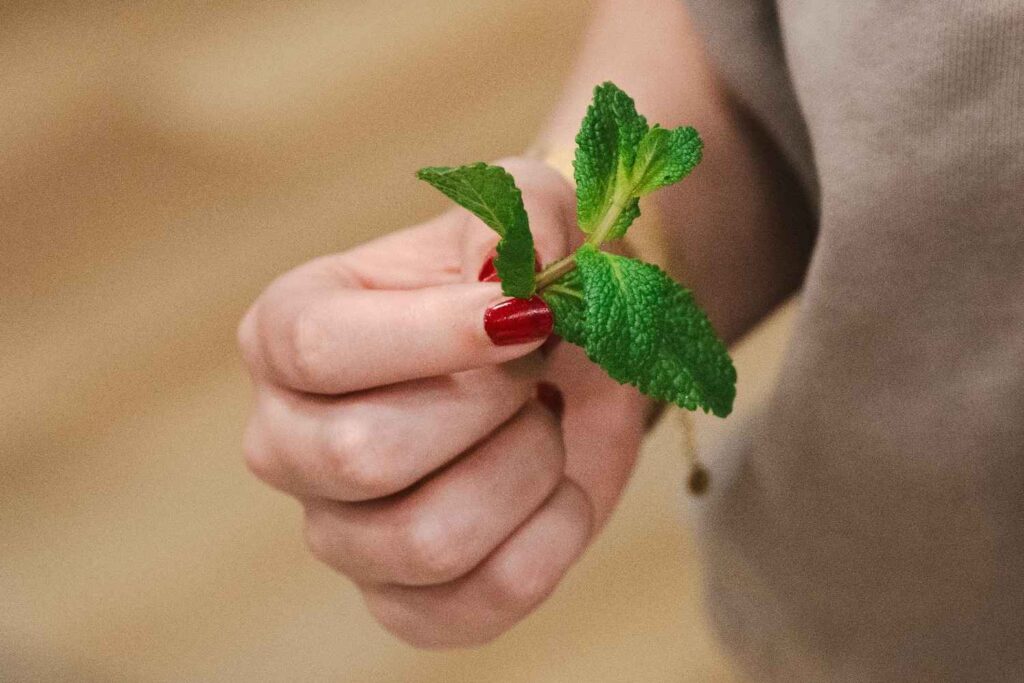
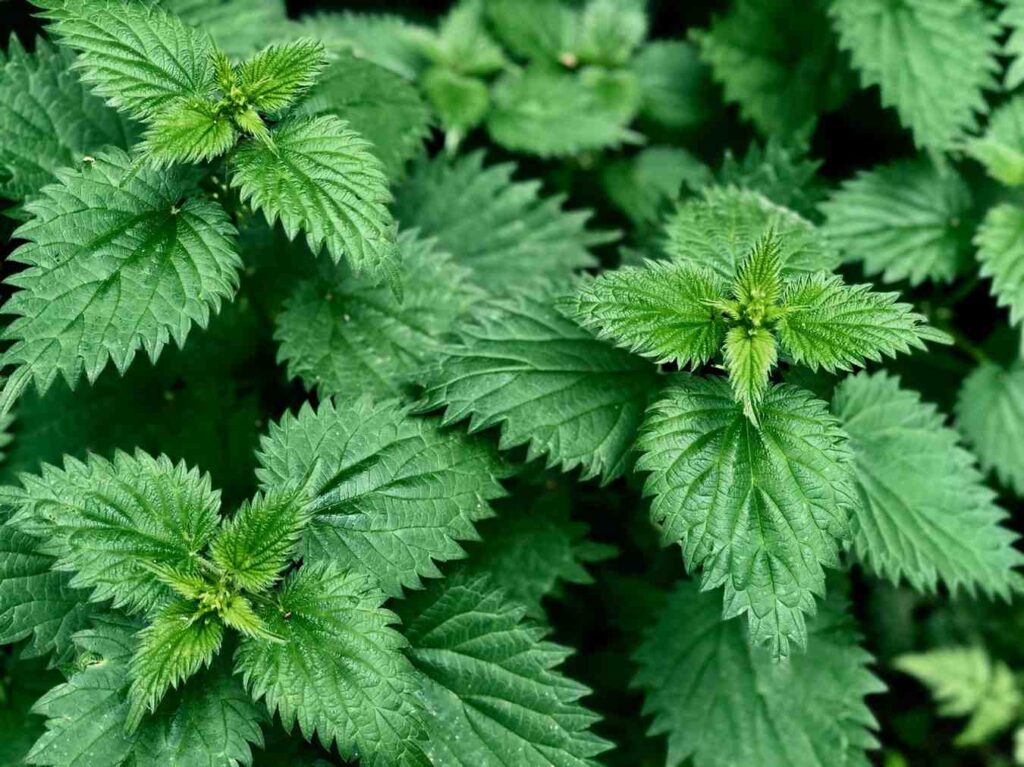
4. Nettle Tea (Urtica dioica)
Primary Therapeutic Effects:
- Estrogen Metabolism: Helps the body efficiently break down and excrete excess estrogen, which is especially important for estrogen dominance or PCOS.
- Potent Anti-inflammatory: Rich in anti-inflammatory flavonoids like quercetin.
- Nutrient Content: Excellent source of iron, calcium, magnesium, and vitamin K.
- Allergy Relief: Also proven effective in reducing symptoms of seasonal allergies.
- Who Do I Recommend It For?
- Those struggling with estrogen dominance or PCOS.
- Individuals with chronic inflammatory conditions (e.g., joint pain).
- Those with low energy levels, anemia, or frequent illnesses.
- Anyone seeking natural relief from seasonal allergy symptoms.
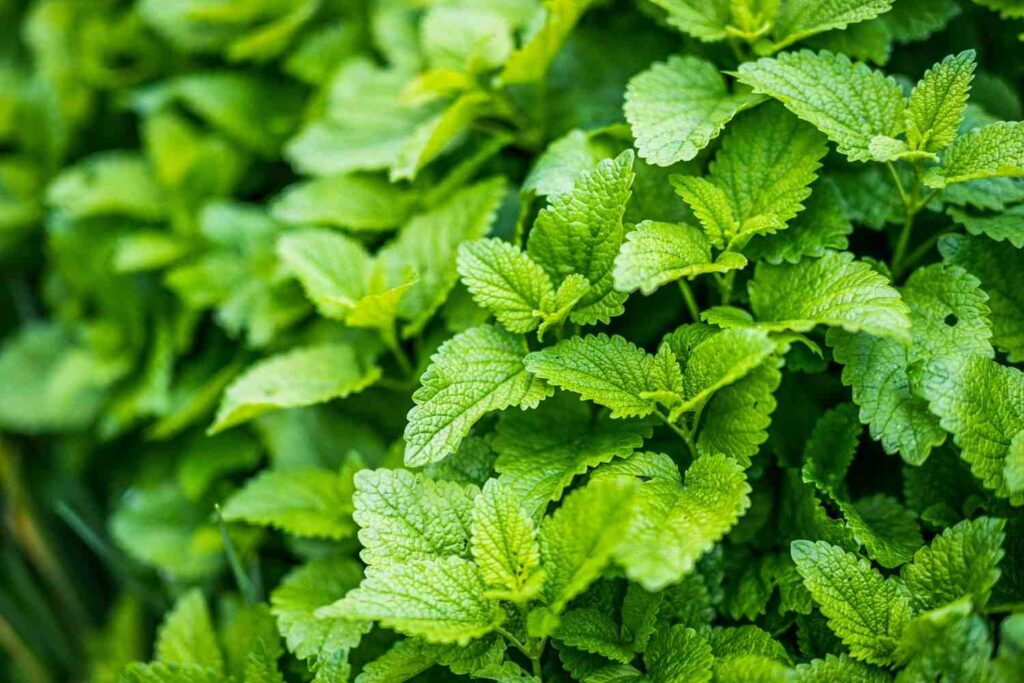
5. Lemon Balm (Melissa officinalis)
Primary Therapeutic Effects:
- Deep Calming and Anxiolytic: Interacts with GABA neurotransmitter activity, reducing anxiety and promoting calm.
- Cognitive Support: May improve concentration and memory, alleviating “brain fog.”
- Antiviral (Herpes): Used both topically and internally to reduce herpes (cold sore) symptoms.
- Digestive Aid: Relieves digestive disorders and stomach cramps.
- Who Do I Recommend It For?
- Those dealing with chronic stress, anxiety, or insomnia.
- Women with PCOS for whom stress exacerbates symptoms.
- Couples desiring children to reduce stress and support fertility.
- Individuals struggling with low mood or fatigue.
- Combination Idea: Lemon balm mixed with chamomile or valerian root can achieve an even stronger calming and sleep-enhancing effect.
6. Holy Basil (Ocimum sanctum – Tulsi)
Primary Therapeutic Effects:
- Adaptogenic Effect: Excellently helps the body adapt to physical, chemical, and emotional stress, thereby indirectly reducing stress-induced inflammation.
- Blood Sugar Regulation: Helps stabilize blood sugar levels, which is crucial for managing insulin resistance and PCOS.
- Immune-Modulating: Strengthens the immune system and provides protection against environmental stressors.
- Antioxidant Protection: Extremely rich in antioxidants that fight free radicals.
- Who Do I Recommend It For?
- Anyone wanting to alleviate the effects of chronic stress.
- Those with PCOS or insulin resistance.
- Individuals who frequently get sick or have a weaker immune system.
- Anyone seeking detoxification or general vitality enhancement.

Safety Considerations and Final Thoughts
Before introducing any new herb tea into your diet, consult a healthcare professional, especially if:
Herbal teas can be a lovely part of a balanced lifestyle, but they are not a substitute for medical care. If you are pregnant, breastfeeding, managing a health condition, or taking medication, it’s always best to speak with a qualified healthcare professional before adding new herbs to your routine.
· You suffer from a chronic illness or take regular medication.
· You are pregnant or breastfeeding.
· You have a known herb allergy.
These herbs can provide powerful support, but they do not replace a balanced diet, regular exercise, and medical advice. The key to success lies in patience and consistency – nature’s healing processes require time.
The path to health is most effective with the wisdom of nature and conscious self-awareness.
You may also enjoy:
Herbal teas can be a beautiful part of a calm and supportive daily routine. While they’re not a replacement for medical care, they may be a gentle way to add more comfort, warmth, and mindful wellness to your day.
If you enjoy this topic, you may also like my posts on anti-inflammatory supplements for women, anti-inflammatory pumpkin soup, and gentle yoga for women’s inflammation.



It’s actually a cool and useful piece of information. I’m glad
that you shared this useful info with us. Please keep
us up to date like this. Thanks for sharing.
I’m glad you liked it and found it useful. If the article was genuinely helpful, please consider rating it with more than one star. I’d also be interested to know what topics and articles you’d like to read more about so I can write about them. Thanks.🌸🙏🏼
[…] that feel gentle and sustainable. If that speaks to you too, you might also enjoy my guide to anti-inflammatory teas for more soothing everyday […]