Skincare Acids Explained: AHA, BHA, PHA and Azelaic Acid
What Are Skincare Acids?
Facial acids are powerful tools that can significantly enhance your skincare routine—when used correctly. After establishing a well-structured basic routine with cleansing, hydration, and sun protection, acids can be safely incorporated to target specific concerns.
By carefully choosing the right acids, you can:
- Reduce acne and breakouts
- Calm inflammation and redness
- Improve skin texture and radiance
- Lighten hyperpigmentation and dark spots
In this guide, we will explain the main types of facial acids—AHA, BHA, their specific benefits, and practical tips on how to use them effectively in your routine. Whether your goal is clearer skin, reduced breakouts, or a more even skin tone, understanding these acids will help you make informed choices and see better results.
AHA Acids (Alpha Hydroxy Acids)
AHA acids are water-soluble and primarily work on the surface layer of the skin, promoting exfoliation and cell turnover. They are ideal for dry, sensitive, or sun-damaged skin.
Glycolic Acid
Source: Sugarcane
Molecule size: Small, penetrates deeply
Benefits: Removes dead skin cells, smooths texture, improves radiance
Best for: Dull, uneven skin, hyperpigmentation
Concentration: 5–10% for at-home use, 20–30% in professional peels
Side effects: Can cause temporary redness, irritation
A word of caution about the sun:
Glycolic acid is powerful – and because it works so deeply, it also makes your skin much more sensitive to sunlight. If you skip sunscreen, you’re at higher risk of redness, irritation, sunburn, and even new dark spots forming. Basically, you could undo all the benefits you’re trying to achieve.
So if you’re adding glycolic acid to your routine, don’t forget:
- Apply a broad-spectrum SPF 50 sunscreen every single morning
- Reapply sunscreen if you’re spending time outdoors
- Try to avoid too much direct sun, especially on days you use glycolic acid
Take sun protection seriously, and glycolic acid can give you glowing, smoother, and more even skin.
The Ordinary – Glycolic Acid 7% Toning Solution – 240ml
SOME BY MI – AHA-BHA-PHA 30 Days Miracle Toner – 30ml
Lactic Acid
Source: Lactic acid is a gentle alpha hydroxy acid (AHA) that’s naturally derived from milk and fermented plants. It’s one of the most hydrating and beginner-friendly acids, making it a great choice if you’re new to chemical exfoliation or have dry or sensitive skin.
Unlike stronger acids, lactic acid not only exfoliates the surface of your skin but also helps to boost hydration, smooth texture, and brighten dull complexions—all while being mild enough for most skin types.
Molecule size: Medium, gentle
- Key Benefits and Actions:
✨ Gentle Exfoliation and Renewal
Lactic acid works on the outermost layer of your skin, helping to remove dead cells and reveal a smoother, fresher surface. It gently supports cell turnover without the harshness of stronger acids.
💧 Deep Hydration
One of lactic acid’s biggest strengths is its ability to improve the skin’s moisture barrier. It attracts water to the skin, keeping it soft, supple, and plump—which makes it ideal for dry, dehydrated, or mature skin.
🌿 Brighter, More Even Skin Tone
Regular use helps fade mild pigmentation and sun spots, giving your skin a naturally radiant glow.
⏳ Anti-Aging Support
By stimulating cell renewal and hydration, lactic acid helps reduce fine lines and early signs of aging, improving overall smoothness and elasticity.
Best for: Dry or sensitive skin
Concentration: 5–12% for home use
Side effects: Usually mild, may cause slight tingling
Tip: Gentle enough for beginners and for regular use
How to Use Lactic Acid:
🌙 Start Gently
If you’re new to acids, lactic acid is the perfect starting point. Begin with a low concentration (around 5%) once or twice a week, then increase gradually as your skin adjusts.
🌜 Use in Your Evening Routine
Apply it at night after cleansing and before moisturizing. This gives your skin time to renew while you sleep.
☀️ Don’t Forget Sunscreen
Even though lactic acid is milder, it can still make your skin more sensitive to sunlight. Always apply SPF 30 or higherduring the day to protect your skin and preserve the results.
👉 In short: Lactic acid is a gentle multitasker—perfect if you want smoother, brighter, and more hydrated skin without irritation. It’s the ideal entry-level acid for beginners or anyone with dry, sensitive skin.
Here are a few product examples that fit perfectly into an effective routine.
The Ordinary – The Ordinary Lactic Acid 10% + HA.
Cos De BAHA – Lactic Acid 12.5 Serum (LS)
Mandelic Acid
Source: Mandelic acid is a gentle alpha hydroxy acid (AHA) derived from bitter almonds. It works on the surface of your skin to exfoliate, promote cell renewal, and reduce acne and pigmentation. Because it has a larger molecular size than other AHAs (like glycolic acid), it penetrates the skin more slowly, making it much milder and well-tolerated—even for sensitive skin.
It also has antiseptic and antibacterial properties, which makes it especially helpful for oily or acne-prone skin, as well as for sun-damaged skin and fine lines.
Benefits: Reduces pigmentation, smooths skin, suitable for sensitive skin
Best for: Sensitive skin, pigmentation spots
Concentration: 5–10% home use
Key Benefits and Actions:
Exfoliation and Cell Renewal
Mandelic acid gently breaks the bonds between dead skin cells, helping them shed more easily. This encourages skin renewal, resulting in a smoother, fresher, and more radiant complexion.
🧴Acne and Blemish Control
Thanks to its antibacterial and antiseptic properties, mandelic acid helps fight acne-causing bacteria, regulates oil production, and can also help fade post-acne marks.
🌿 Brightening and Even Skin Tone
It inhibits melanin production, helping to fade dark spots, hyperpigmentation, and uneven tone over time.
💧 Oil Regulation
Perfect for oily skin types—mandelic acid helps control sebum production and minimize clogged pores, leaving the skin clearer and more balanced.
⏳ Anti-Aging Support
By boosting cell turnover and improving skin texture, mandelic acid helps reduce the appearance of fine lines and early signs of aging, giving your skin a youthful glow.
How to Use Mandelic Acid
🌙 Start Slowly
Introduce mandelic acid gradually into your routine—begin with 1–2 times per week, then increase as your skin builds tolerance.
🌜 Best Used at Night
Use mandelic acid in your evening skincare routine. It can be layered with a gentle moisturizer or diluted with another product to minimize irritation.
☀️ Always Use Sunscreen
Like all AHAs, mandelic acid can make your skin more sensitive to sunlight. Using a high-SPF sunscreen (at least SPF 30) during the day is absolutely essential. It protects your skin and helps maintain all the brightening and smoothing benefits you’ve worked for.
In short: Mandelic acid is your go-to if you want a gentle but effective exfoliant that fights breakouts, evens out your skin tone, and softens fine lines—without the irritation stronger acids can cause.
Here are a few product examples that fit perfectly into an effective routine:
The Ordinary – Mandelic Acid 10% + HA – 30ml.
By Wishtrend – Mandelic Acid 5% Skin Prep Water – 30ml
Important note:
When using exfoliating acids, start slowly and introduce only one active at a time. Always patch test first, avoid over-exfoliating, and wear sunscreen daily—especially when using AHAs.
BHA Acids (Beta Hydroxy Acids)
BHA acids are oil-soluble, allowing deeper penetration into pores. Excellent for oily, acne-prone skin, helping reduce inflammation and unclog pores.
Salicylic Acid
Salicylic acid, also known as BHA (beta hydroxy acid), is one of the most effective ingredients out there for treating acne, blackheads, and clogged pores. It’s a chemical exfoliant, just like AHAs, but with one major difference — while AHAs are water-soluble, salicylic acid is oil-soluble.
That means it can actually get inside your pores, breaking down the oil and dead skin cells that cause congestion. Think of it as a deep cleaner for your pores — it literally helps “unclog” them from the inside.
Besides its exfoliating power, salicylic acid also has strong anti-inflammatory properties, which help calm redness and swelling — a huge plus when you’re dealing with breakouts or irritated skin.
It’s usually used in concentrations between 0.5% and 2%, and it works best in formulas with a pH between 3 and 4 — that’s where it can really do its magic.
And here’s something many people don’t know: unlike AHAs (like glycolic acid), salicylic acid doesn’t make your skin more sensitive to sunlight. You should still wear SPF every day (because that’s non-negotiable in any good skincare routine!), but you don’t have to worry about extra sun sensitivity when using BHA.
👉 In short: Salicylic acid helps exfoliate inside the pores, reduces inflammation, and keeps your skin clearer, smoother, and more balanced — it’s a true must-have if you struggle with acne.
How to Use Salicylic Acid
🌙 Start Slow
If you’ve never used BHA before, begin with 0.5–1% once or twice a week, and let your skin adjust before increasing frequency.
🧴 Apply After Cleansing
Use salicylic acid after cleansing but before moisturizer or serum. You can apply it all over your face or just on breakout-prone areas.
💧 Keep It Balanced
Because salicylic acid can be drying, always follow with a light, hydrating moisturizer to keep your skin barrier happy.
In short: Salicylic acid is your go-to if you struggle with oily or acne-prone skin. It clears clogged pores, reduces breakouts, and calms inflammation—leaving your skin clearer, smoother, and more balanced.
Here are a few product examples that fit perfectly into an effective routine:
The Ordinary – Niacinamide 10% + Zinc 1% – 30ml
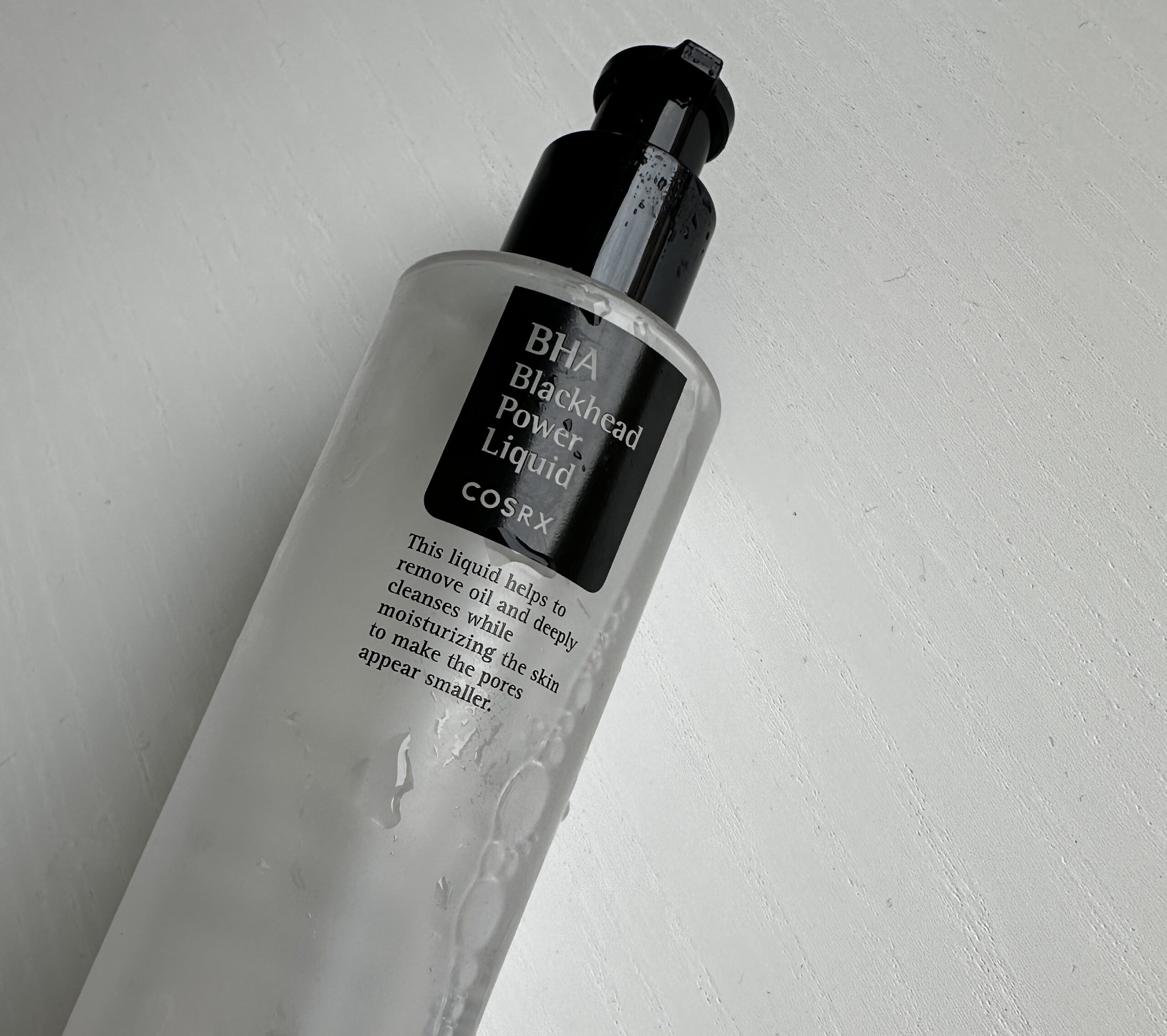
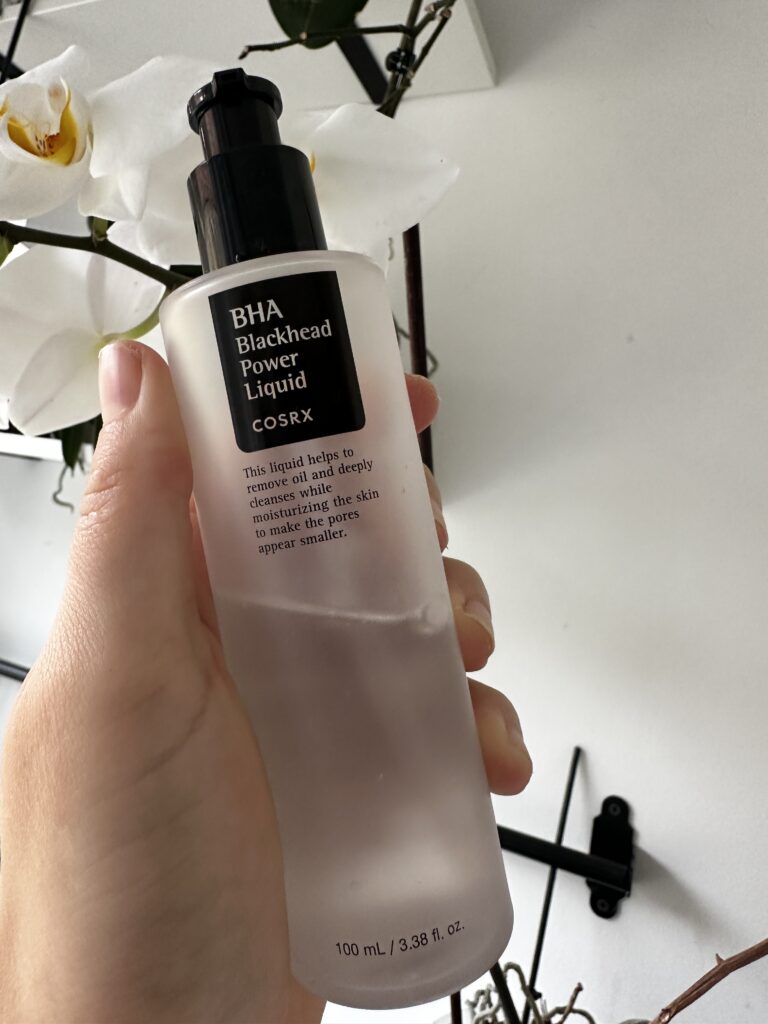
COSRX – BHA Blackhead Power Liquid 100ml. (it’s my favorite product , very good efficiency 🙂 )
PHA (Pholyhydroxyd Acids)
PHAs, or polyhydroxy acids, are the gentlest form of chemical exfoliants. They have larger molecular structures than AHAs, which means they penetrate the skin more slowly — resulting in less irritation and making them ideal for sensitive or reactive skin.
PHAs not only exfoliate but also hydrate and provide antioxidant protection, improving skin texture and tone, helping with fine lines, pigmentation, and breakouts, while supporting the skin’s natural moisture barrier.
The most common types of PHAs you’ll find in skincare are gluconolactone and lactobionic acid.
What Makes PHAs Different?
🧪 Gentle Chemical Exfoliation
Like AHAs and BHAs, PHAs belong to the family of chemical exfoliants — but they’re known for being the most skin-friendly version.
⚛️ Larger Molecule Size
PHAs have a larger molecular structure, which means they work more slowly and don’t penetrate as deeply as AHAs. This helps minimize the risk of irritation, redness, or stinging.
🌸 The “Next-Generation” AHA
They’re often called the “new generation of AHAs” because they deliver similar exfoliating and brightening results — just in a much gentler, more hydrating way.
Benefits of PHAs
💧 Gentle Exfoliation
They remove dead skin cells from the surface, revealing smoother, fresher skin without over-stripping or damaging your barrier.
💦 Deep Hydration
PHAs improve the skin’s ability to retain moisture, helping keep it plump and healthy-looking.
🛡️ Antioxidant Protection
They help neutralize free radicals, protecting your skin from environmental stress and premature aging.
🌟 Anti-Aging Support
Regular use can help fade fine lines, wrinkles, and uneven pigmentation, promoting a youthful, even glow.
💚 Acne and Rosacea Friendly
PHAs have anti-inflammatory and antibacterial properties, making them a great option for those with rosacea-prone, acne-prone, or sensitive skin.
✨ Brighter, More Even Tone
With consistent use, PHAs promote a more radiant, balanced complexion and smooth texture.
Who Should Use PHAs?
PHAs are perfect for you if:
- You have sensitive or easily irritated skin
- You’re new to chemical exfoliants and want to start gently
- You prefer a mild, daily exfoliating routine
- Your skin is dehydrated or compromised
👉 In short: PHAs are your go-to acids if your skin needs gentle exfoliation with extra hydration and protection. They’re the perfect balance of effectiveness and care — giving your skin that fresh, smooth glow without the sting.
+Azelaic Acid
Azelaic acid is a versatile active ingredient that works wonders for acne-prone, rosacea-affected, and hyperpigmented skin. It’s actually a naturally occurring compound, produced by a yeast that lives on the skin (Malassezia furfur, also known as Pityrosporum ovale), and it can also be found in grains like barley, wheat, and rye.i
In dermatology, azelaic acid is a well-established ingredient, often used in prescription-strength formulas or combined with other actives for enhanced results.
💥 Fights Acne and Breakouts
Azelaic acid is used to treat mild to moderate acne, including both comedonal (blackheads, whiteheads) and inflammatory types.
It inhibits the growth of acne-causing bacteria (Cutibacterium acnes), helps keep pores clean, and reduces hyperkeratosis—the buildup of dead cells that can clog pores.
It also gently regulates cell turnover inside the pores, preventing new blockages without irritating your skin.
🎈 Calms Rosacea and Redness
Thanks to its antibacterial and anti-inflammatory properties, azelaic acid is incredibly effective at reducing redness and inflammation, making it a great ally for anyone dealing with rosacea or sensitive, reactive skin.
✨ Treats Pigmentation and Uneven Skin Tone
Azelaic acid is also known for its skin-brightening abilities. It helps fade melasma, post-acne marks, and other types of hyperpigmentation by reducing the production of melanin (the pigment responsible for dark spots).
It’s especially beneficial for medium to darker skin tones, where pigmentation tends to be more persistent.
🔄 Supports Skin Renewal
Beyond treating acne and pigmentation, azelaic acid helps regulate the skin’s renewal process by preventing dead cells from building up on the surface—resulting in a smoother, more refined texture.
How to Use Azelaic Acid
🌙 When to Apply
Use azelaic acid in your evening routine after cleansing and before moisturizer. You can also apply it in the morning if your skin tolerates it well.
💧 How Often
Start with once a day or every other day, then increase to twice daily as your skin gets used to it. Concentrations around 10–15% are common for over-the-counter products, while dermatologists may prescribe 15–20% formulas for stronger results.
💦 Pair It Wisely
Azelaic acid plays well with most skincare ingredients—it can be safely used with niacinamide, hyaluronic acid, or gentle exfoliating acids.
Avoid layering it with strong AHAs or retinoids at the same time (alternate days are fine).
☀️ Sunscreen Is Still Essential
Even though azelaic acid isn’t a photosensitizing ingredient like glycolic acid, protecting your skin with SPF 30+ is key to maintaining an even, healthy complexion and preventing further pigmentation.
👉 In short: Azelaic acid is a true multitasker — it helps clear acne, calm redness, fade dark spots, and smooth your skin, all while being gentle enough for daily use. It’s the kind of ingredient that quietly does it all.
Here are a few product examples that fit perfectly into an effective routine:
The Ordinary Azelaic Acid Suspension 10%.
Paula’s Choice 10% Azelaic Acid Booster
Choosing the right skincare acid can make a big difference, but the best results usually come from starting slowly and keeping the rest of your routine simple and supportive. Once you understand what each acid does, it becomes much easier to build a routine that matches your skin’s needs.
If you’re new to actives, start with one product at a time, patch test first, and always wear sunscreen during the day. A gentle, consistent routine will usually take you further than using too many strong products at once.
So, these would be the most useful skincare acids — they’re very effective when applied properly and used consciously. I hope I was able to help you see things a bit more clearly. Thank you for reading my post 🙂
Photos are a mix of my own original images and high-quality stock photos from Unsplash, used to illustrate skincare ingredients and results.